Image generating AI has rapidly evolved over the past few years, enabling computers to create high-quality images that are indistinguishable from those created by humans. This technology is called generative adversarial networks (GANs), which are deep neural networks that can generate images that look like real-world objects and landscapes. In this blog, we will explore how image generating AI works, its applications, and its future implications.

How Does Image Generating AI Work?
GANs work by training two neural networks simultaneously: a generator and a discriminator. The generator is responsible for generating the images, while the discriminator evaluates how realistic the images are. The two networks play a cat-and-mouse game, where the generator tries to create increasingly realistic images that can fool the discriminator, while the discriminator tries to distinguish the real images from the fake ones. This competition between the two networks allows the generator to learn from its mistakes and produce more realistic images over time.

Applications of Image Generating AI
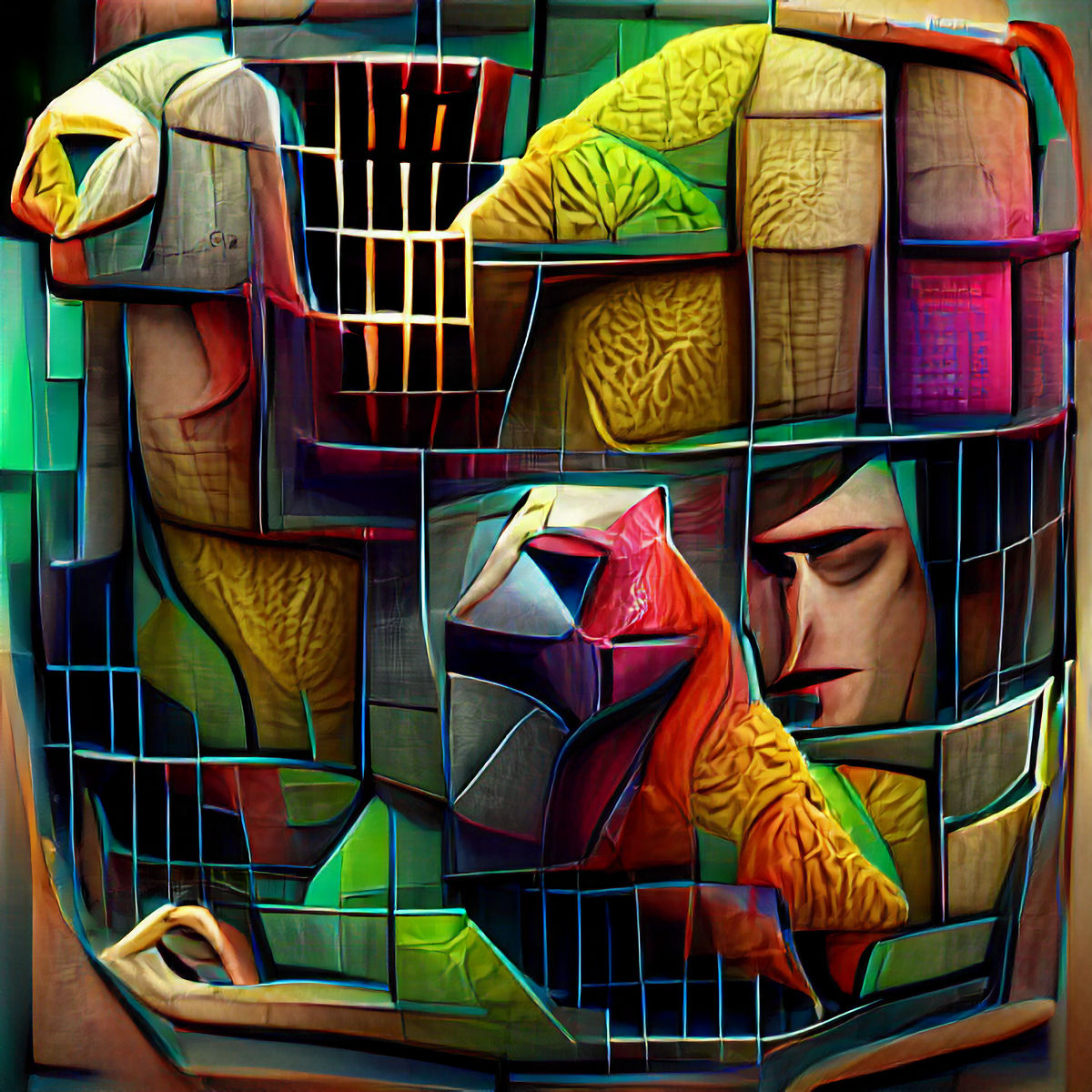
Image generating AI has a wide range of applications in various fields, such as art, fashion, gaming, and healthcare. One of the most popular applications is in the field of art, where GANs can generate realistic-looking paintings, sculptures, and other works of art. For example, researchers at Rutgers University developed an AI-powered system that can create realistic paintings in various styles, such as Impressionism, Cubism, and Expressionism.
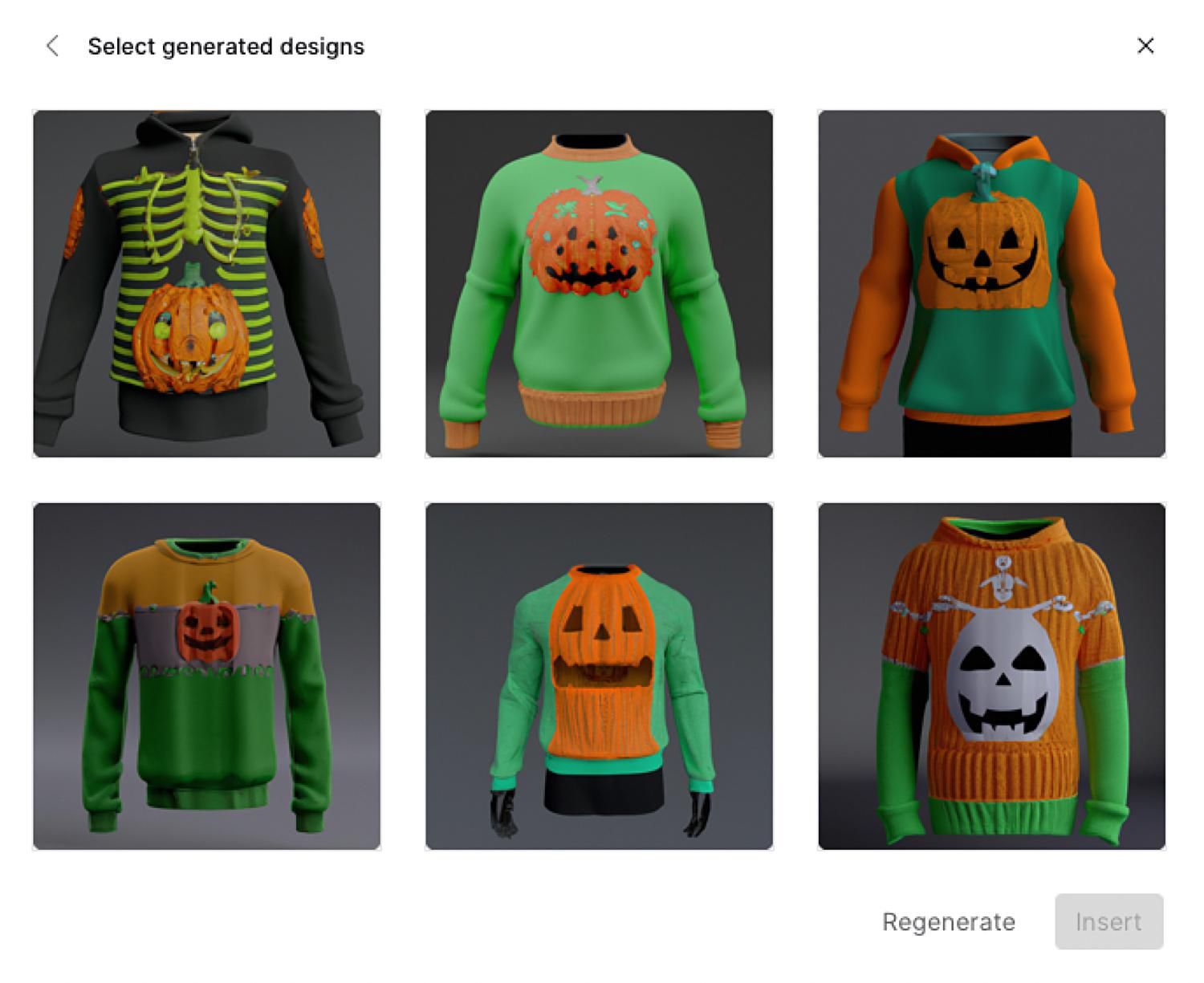
In fashion, image generating AI can be used to create virtual try-on solutions, where customers can see how different clothes look on them without having to physically try them on. Companies like Nike and H&M have already started using this technology to provide a more personalized shopping experience for their customers.
In gaming, image generating AI can create lifelike characters and environments, making the gaming experience more immersive and realistic. For example, the video game industry has started using GANs to generate realistic landscapes, buildings, and other objects in their games.

Image generating AI also has potential applications in healthcare, where it can be used to generate synthetic medical images that can help doctors diagnose and treat diseases. For example, GANs can be used to generate 3D models of human organs, which can be used to identify abnormalities and plan surgeries.
Future Implications of Image Generating AI
The rapid progress in image generating AI has raised concerns about its potential misuse, such as generating fake news and deepfakes. Deepfakes are videos or images that are manipulated using AI to show people saying or doing things that they never actually did. This can be a serious threat to democracy, as it can be used to spread false information and manipulate public opinion.
Another concern is the potential impact on the job market, as AI-generated images could replace human artists, designers, and photographers. While this is a valid concern, it's important to note that AI-generated images are still not perfect and require human intervention and oversight.
VAEs
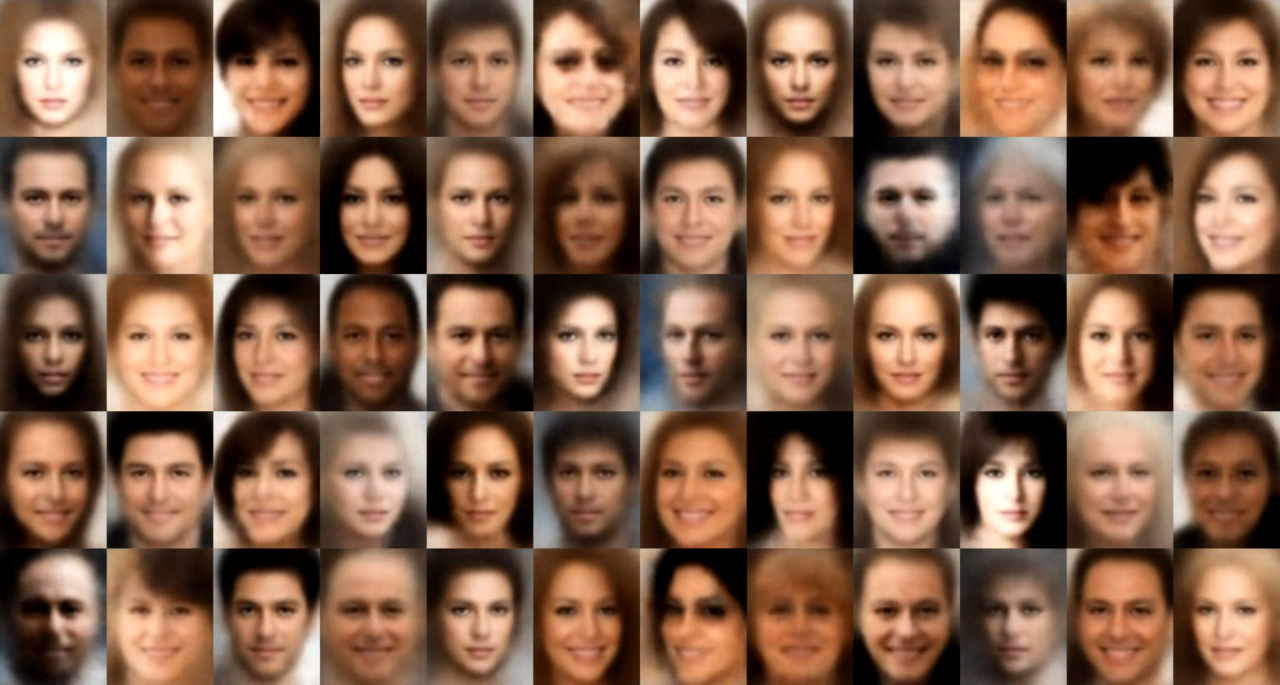
Variational Autoencoders (VAEs) are another type of AI model that can be used for image generation. VAEs work by compressing the input images into a lower-dimensional latent space, and then generating new images by sampling from this space. This allows VAEs to generate new, novel images that are similar to the input images, but with variations and modifications.
Compared to GANs, VAEs are generally more stable and easier to train, as they don't require a discriminator network. However, they may produce less realistic images, as they tend to generate more blurry and less detailed images compared to GANs.
One advantage of VAEs is that they can be used for image manipulation, such as changing the color, texture, and other attributes of the images. This is done by modifying the latent space vectors that correspond to specific image attributes. For example, researchers at MIT developed a system that can change the color and style of clothing in an image using VAEs.
VAEs also have applications in the field of image recognition and classification. By compressing the input images into a lower-dimensional space, VAEs can remove noise and irrelevant features, making it easier to classify the images based on their content.

In conclusion, VAEs are another type of AI model that can generate images and have their own unique advantages over GANs. While GANs are currently more popular and widely used in image generation, VAEs have a lot of potential for future applications and research.
Conclusion
Image generating AI has enormous potential in various fields, such as art, fashion, gaming, and healthcare. However, it also raises concerns about its potential misuse and impact on the job market. As with any technology, it's important to strike a balance between its benefits and risks and use it in a responsible and ethical manner. In the end, image generating AI has the potential to transform the way we create and consume images, and it will be exciting to see how it evolves in the coming years.
Comments
Post a Comment